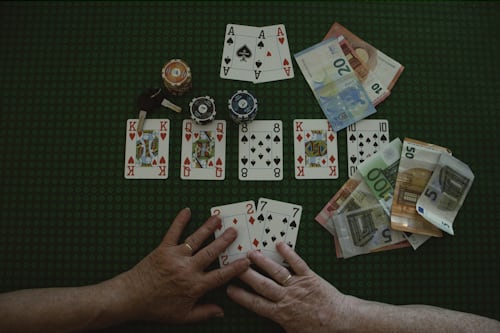
The Allure of Casino Entertainment
Casinos have an undeniable allure, drawing millions of people with the promise of excitement and the potential for monetary gain. The glitz and glamour of brightly lit slots, the sound of rolling dice, and the charm of card games create an intoxicating environment. However, while many players are focused on the thrill of winning, it’s crucial to understand that the costs associated with casino gaming extend far beyond the upfront stakes, including options for ontario casino fast withdrawal which can affect how players manage their winnings. This hidden dimension can significantly impact one’s overall gaming experience and finances.
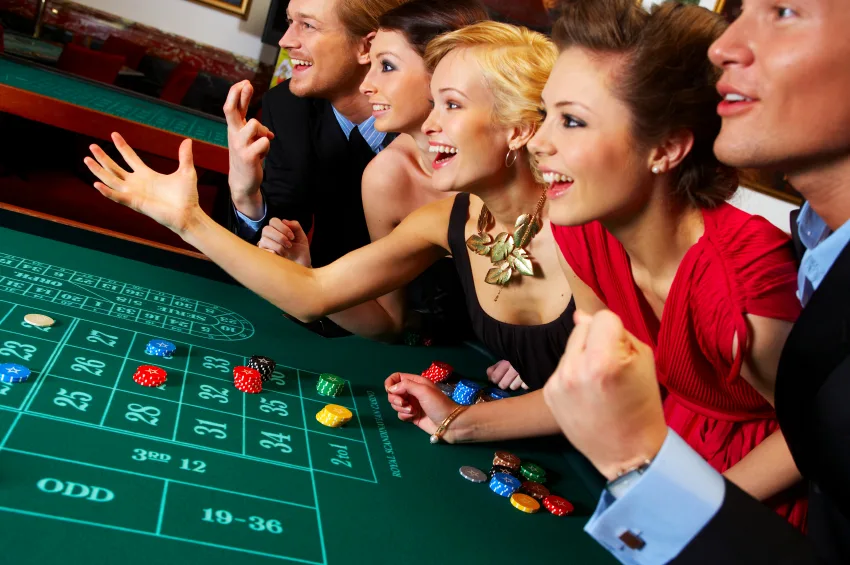
Casinos often lure individuals in with enticing bonuses and promotions. However, these offers frequently come with strings attached, such as wagering requirements that can be difficult to meet. Once players are immersed in the gaming environment, they may find themselves spending more than they initially intended, driven by the excitement and the hope of recouping losses. This phenomenon, known as the “gambler’s fallacy,” can lead to spiraling expenditures as individuals chase wins, further entrenching them in a costly cycle.
The social aspect of casino visits also contributes to hidden costs. The camaraderie that develops among players can lead to more spending, whether it’s buying drinks, enjoying meals, or participating in entertainment shows. These expenses often accumulate rapidly. While enjoying the atmosphere and bonding with fellow gamblers is part of the experience, it’s essential to keep these costs in check to ensure that entertainment doesn’t overshadow responsible gaming habits.
Understanding the Odds and House Edge
Another essential aspect to consider when playing at casinos is the inherent mathematical advantage that establishments hold over players, known as the house edge. This edge is built into every game, ensuring that, over time, the casino will always come out ahead. Many players remain unaware of how significantly this factor can influence their expected returns, leading to misconceptions about winning probabilities. Understanding the odds of different games is crucial for developing a more realistic approach to gambling.
For example, while slot machines may seem enticing with their flashy graphics and the potential for huge payouts, they typically come with a much higher house edge compared to table games like blackjack or poker. Players may be drawn in by the thrill of the spin but can quickly find themselves losing more money than anticipated. Familiarizing oneself with the odds of various games can empower players to make informed decisions and promote smarter gambling practices.
Moreover, many games also involve additional costs that players may overlook. For instance, when playing table games, dealers often rely on tips for their income. As a result, players might feel compelled to tip frequently, which can add up over time. These costs may seem minor, but they can significantly alter the overall expenditure, contributing to a less favorable gaming experience. Recognizing these hidden aspects can help players budget effectively and set clearer limits on their gambling activities.
The Impact of Time and Addiction
Time is another hidden cost associated with casino gaming that is often overlooked. Many players enter a casino with a set budget and time limit, only to lose track of the hours spent inside. This phenomenon is particularly prevalent in environments designed to keep players engaged, such as the absence of windows and clocks. As time slips away, so too does the financial discipline that players may have initially established, leading to impulsive decisions that can result in larger losses.
Additionally, the potential for addiction poses a significant risk to many individuals who gamble frequently. Once the thrill of winning becomes tied to one’s sense of self-worth or identity, it can lead to dangerous habits that extend beyond the casino. Recognizing the signs of problem gambling is vital for ensuring a healthy relationship with gaming, preventing the hidden costs associated with addiction from escalating into severe financial and emotional distress.
Support systems and resources are available for those who may feel their gaming habits are becoming problematic. Seeking assistance from professionals or local support groups can provide the necessary tools to address these issues. By prioritizing awareness and mindfulness within the gaming context, players can mitigate the hidden costs of addiction and develop a more balanced approach to their casino experiences.
The Financial Burden of Travel and Accommodation
For many, visiting a casino often involves additional expenses related to travel and accommodation. Whether taking a weekend trip to a nearby gaming destination or planning a vacation around a more famous location, costs can accumulate rapidly. From transportation fees to hotel bookings, these expenses can significantly impact one’s overall gaming budget. Frequent visitors may find that these costs quickly overshadow any winnings they might achieve at the tables.
Furthermore, many casinos also charge resort fees, which are often hidden until booking is finalized. These fees can be substantial, turning an ostensibly affordable trip into a financial burden. It’s essential for players to factor in these potential costs and explore alternatives, such as seeking accommodations outside the casino or looking for travel deals that provide better overall value.
Moreover, players should also consider the cost of dining and entertainment during their casino visits. While many casinos offer complimentary drinks while gambling, the price of meals and other amenities can be surprisingly high. Being mindful of these additional costs and planning accordingly can help ensure that a casino trip remains an enjoyable and financially responsible outing.
Know Your Limits and Responsible Gaming Practices
With all the hidden costs associated with casino gaming, understanding your limits and practicing responsible gaming becomes paramount. Setting a strict budget before stepping onto the casino floor can help control spending and mitigate the risk of falling into a cycle of loss. By adhering to predetermined limits, players can enjoy the thrill of the games without jeopardizing their financial stability.
Additionally, utilizing tools such as self-exclusion programs or budget-setting features offered at many casinos can promote healthier gaming habits. These resources can empower players to take charge of their gambling behavior and build a system of accountability that can help manage hidden costs effectively. Establishing a healthy mindset around gambling can significantly enhance the overall experience while minimizing risks.
Ultimately, the key to enjoying the casino experience lies in awareness and education. Empowering oneself with knowledge about the inherent risks, hidden costs, and responsible practices can transform gaming from a potentially costly venture into a fun, engaging activity. Prioritizing personal well-being and financial prudence should always remain at the forefront of the gaming experience.